

Introduction
In today’s digital-first world, businesses are constantly looking for innovative ways to build and manage their online presence. One tool that has revolutionized modern web design is Webflow, a no-code platform that allows designers and developers to create responsive, professional websites without traditional coding. As Webflow’s popularity grows, so does the demand for professionals who understand how to use it effectively.Webflow careers are becoming one of the most promising paths in the web design and development industry. From designers and developers to freelancers and project managers, professionals with Webflow expertise are in high demand across industries worldwide.
What Is Webflow?

Webflow is a web design and development platform that combines the power of coding with the simplicity of visual design. It allows users to design, build, and launch responsive websites without writing complex code.Unlike traditional website builders, Webflow gives users complete design freedom while still maintaining the structure and flexibility of front-end code (HTML, CSS, and JavaScript). It also includes a CMS (Content Management System), hosting services, and eCommerce tools, making it a one-stop solution for both designers and businesses.
Key Benefits of Webflow:
- Visual web design with code-level control
- Built-in hosting and security features
- Responsive design for all devices
- Easy content management
- Seamless integration with marketing and analytics tools
Because of these features, many companies and agencies are shifting from WordPress and other CMS tools to Webflow—creating a surge in job opportunities for Webflow professionals.
Why Choose a Career in Webflow?
Choosing a career in Webflow offers both creative freedom and job flexibility. The no-code revolution is transforming how websites are built, and Webflow is leading that change. Here’s why it’s worth pursuing:
Growing Demand
As businesses move toward faster, code-free solutions, demand for skilled Webflow designers and developers continues to rise. Companies prefer Webflow for its ease of use and scalability, which has created consistent job growth.
Creative and Technical Balance
Webflow allows designers to express creativity while maintaining control over the technical side. It’s a perfect platform for professionals who love both design and technology.
Remote and Freelance Opportunities
Webflow professionals can work from anywhere. Whether as freelancers or full-time employees, many designers earn global clients through platforms like Upwork, Fiverr, and LinkedIn.
High Earning Potential
Experienced Webflow designers and developers often charge premium rates due to the specialized skill set. Freelancers can earn anywhere from $30 to $100+ per hour, depending on expertise and project scope.
Types of Webflow Careers
Webflow has opened the door to multiple career paths. Here are some of the most in-demand roles:
Webflow Designer
Responsible for creating visually appealing, user-friendly, and responsive websites using Webflow’s design tools. They focus on layout, color, typography, and interactivity.
Webflow Developer
These professionals add advanced functionality, integrations, and animations to enhance website performance and user experience.
UI/UX Designer (Webflow)
They focus on designing user journeys and experiences that align with business goals and customer needs.
Webflow Project Manager
They oversee website projects, coordinate between designers, clients, and developers, and ensure timely delivery.
Freelance Webflow Expert
Many skilled Webflow professionals choose to work independently, managing projects for international clients and building their own personal brands.
Skills Required for Webflow Careers
To succeed in a Webflow career, you need a mix of design, technical, and communication skills:
- Webflow Proficiency: Mastering the Webflow Designer, CMS, and hosting tools.
- HTML/CSS Basics: Understanding underlying code for better control and troubleshooting.
- UI/UX Design Principles: Creating intuitive and responsive layouts.
- SEO Knowledge: Building websites optimized for search engines.
- Project Management: Handling timelines, revisions, and client communication.
- Creativity & Problem-Solving: Balancing design vision with technical execution.
How to Start a Career with Webflow
If you’re new to Webflow, getting started is easier than you might think. Here’s how to begin your journey:
Learn the Platform
Start with Webflow University, an official free resource offering tutorials, videos, and hands-on lessons for beginners and advanced users.
Build Your Portfolio
Create your own portfolio site using Webflow to showcase your work. Employers and clients love seeing live examples of design ability.
Join Webflow Communities
Connect with designers, developers, and freelancers on social media groups, Webflow forums, and Slack communities.
Get Certified
Webflow offers certifications that validate your skills and make you more attractive to employers.
Apply for Jobs
Look for Webflow-related job openings on platforms like:
- Webflow Job Board
- Indeed
- Upwork
- Remote OK
Top Companies Hiring for Webflow Roles
Many organizations are adopting Webflow for their websites and looking for skilled professionals. Some notable employers include:
- Webflow (the company itself)
- Digital marketing agencies
- Startups and SaaS companies
- E-commerce businesses
- Creative studios and freelance marketplaces
These companies hire for both full-time and freelance roles, giving professionals flexibility and global exposure.
Webflow Career Growth and Salary Expectations
The earning potential in Webflow careers is impressive.
Average Salary Ranges (2025 Estimates):
- Webflow Designer: $60,000–$90,000 per year
- Webflow Developer: $70,000–$100,000 per year
- Freelance Webflow Expert: $30–$100+ per hour
- Project Manager (Webflow Projects): $65,000–$110,000 annually
With experience, professionals can advance into senior design roles, creative direction, or even build their own design agency.
Future of Webflow Careers
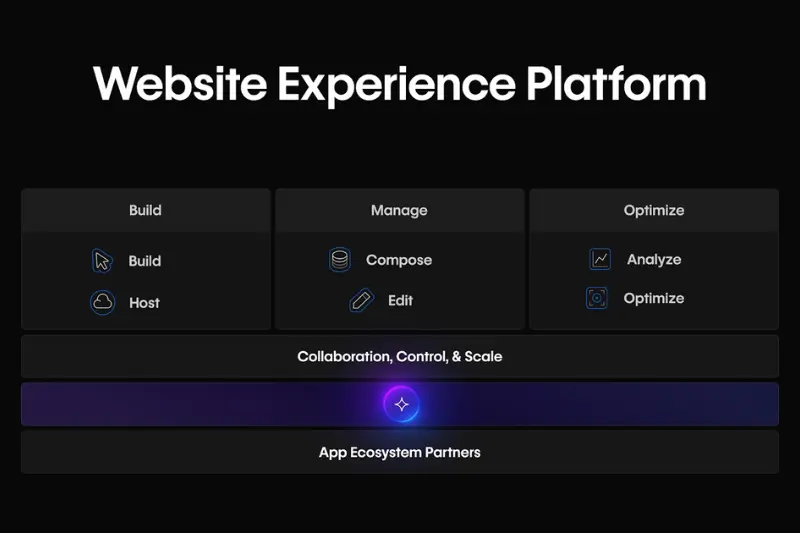
The future of Webflow careers looks bright as businesses continue embracing no-code tools. Webflow’s continuous improvements, along with integration of AI and automation, will further expand its career scope.
Key future trends include:
- Integration of AI-driven design suggestions
- Enhanced team collaboration tools
- Demand for Webflow developers with automation and CMS expertise
- Growth of remote freelancing opportunities globally
In short, the future belongs to professionals who adapt to these no-code platforms early.
FAQs
Q1. What is Webflow used for?
Webflow is a no-code web design and development platform that allows users to create responsive websites visually. It combines design tools, CMS, and hosting features, enabling professionals and beginners to build fully functional websites without traditional coding.
Q2. Is Webflow a good career choice?
Yes, Webflow is an excellent career option because of the rising demand for no-code developers and designers. Businesses worldwide are adopting Webflow for its flexibility, making skilled Webflow experts highly sought after.
Q3. How much do Webflow designers earn?
Webflow designers typically earn between $50,000 and $100,000 annually, depending on experience, skill level, and project type. Freelancers may earn even more by working with international clients and managing multiple projects.
Q4. Can I become a Webflow developer without coding experience?
Yes, you can. Webflow is designed for those with little or no coding background. However, having a basic understanding of HTML, CSS, and responsive design principles can help you create more customized and professional websites.
Q5. Where can I learn Webflow for free?
You can learn Webflow for free through Webflow University, which offers structured tutorials and certification courses. Additionally, YouTube and platforms like Skillshare or Udemy also have excellent free lessons for beginners.
Q6. Does Webflow offer remote job opportunities?
Yes, many Webflow jobs are remote or freelance-based. You can find job openings on LinkedIn, Upwork, Fiverr, and the official Webflow Experts community, where clients actively look for qualified professionals.
Q7. Is Webflow in demand in 2025?
Absolutely. In 2025, Webflow continues to be one of the most in-demand no-code platforms. As more companies seek faster, more efficient website solutions, the need for skilled Webflow developers and designers keeps increasing.
Q8. What skills are needed for Webflow jobs?
To build a successful Webflow career, you need skills in UI/UX design, Webflow interface mastery, SEO basics, and communication. A good eye for design and the ability to understand client needs are also crucial.
Q9. How can I get certified in Webflow?
You can earn certifications directly from Webflow University by completing their official courses and passing assessments. Certification helps validate your expertise and boosts your chances of landing high-paying Webflow jobs.
Q10. What is the future of Webflow careers?
The future looks very promising. With the rapid growth of no-code technology and AI-assisted design, Webflow professionals are becoming key players in the digital space. Career opportunities are expanding across web design, freelancing, and creative entrepreneurship.
Conclusion
Webflow has transformed how websites are created, managed, and launched. As the demand for fast, responsive, and user-friendly sites grows, so does the demand for Webflow professionals.Whether you’re a designer, developer, or freelancer, a career in Webflow offers a blend of creativity, technical skill, and financial freedom. With the right skills and dedication, Webflow can be your gateway to a successful, future-proof digital career.
