
A clogged ear can feel annoying, uncomfortable, and sometimes even scary. Sounds become muffled, pressure builds up, and you may constantly try to “pop” your ear without success.
If you’ve been thinking:
- “My ear won’t pop and I’ve tried everything”
- “Why does my ear feel clogged?”
- “How do I unclog my ear safely?”
—you’re not alone.
Blocked ears are extremely common and usually happen because of pressure changes, earwax buildup, water trapped in the ear, allergies, or congestion from a cold.
The good news is that most clogged ears can improve with safe home remedies. In this guide, you’ll learn exactly how to unclog ears safely, what causes the blockage, what NOT to do, and when it’s time to see a doctor.
Why Do Ears Get Clogged?
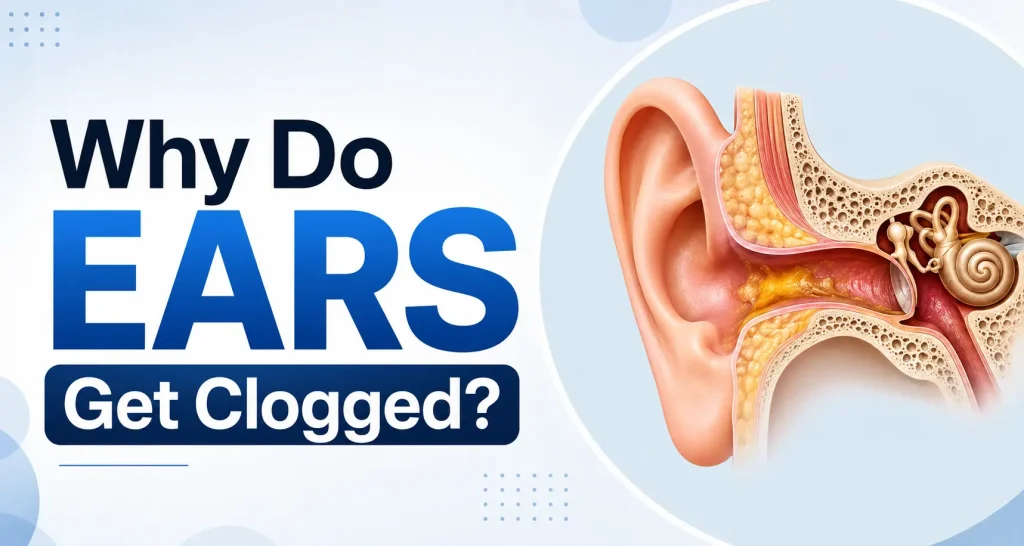
Your ears contain tiny passageways and pressure-regulating tubes. When something blocks these pathways, your ears may feel full, stuffy, or plugged.
Common Causes of a Clogged Ear
Earwax Buildup
Earwax protects your ears, but too much can block the ear canal and affect hearing.
Pressure Changes
Flying, diving, or driving through mountains can create pressure imbalances inside the ear.
Colds and Sinus Infections
Swelling and mucus can block the Eustachian tubes, creating pressure and muffled hearing.
Allergies
Seasonal allergies can inflame nasal passages and affect ear pressure.
Water Trapped in the Ear
Swimming or showering may leave water stuck inside the ear canal.
Ear Infections
Middle ear infections can cause pain, pressure, fluid buildup, and temporary hearing loss.
Eustachian Tube Dysfunction
This happens when the tubes connecting the ears to the throat stop opening properly.
Symptoms of a Clogged Ear
A clogged ear may cause:
- Muffled hearing
- Pressure or fullness
- Popping or crackling sounds
- Ear pain
- Dizziness
- Ringing in the ears
- Feeling like water is trapped
- Trouble balancing
Some people only experience symptoms in one ear.
How to Unclog Ears Fast
The best method depends on what’s causing the blockage.
Below are the safest and most effective remedies.
Swallow, Yawn, or Chew Gum
This simple trick often works for pressure-related clogged ears.
Swallowing and yawning activate muscles that help open the Eustachian tubes.
Try These:
- Chewing sugar-free gum
- Sipping water
- Yawning repeatedly
- Sucking on hard candy
This is especially helpful after:
- flying
- elevator rides
- altitude changes
Try the Valsalva Maneuver
The Valsalva maneuver helps equalize pressure inside the ears.
How to Do It Safely
- Pinch your nostrils closed
- Close your mouth
- Gently blow as if blowing your nose
You may hear a small pop.
Important:
Never blow forcefully. Too much pressure can damage your eardrum.
Use Steam for Congestion
Steam can loosen mucus and reduce swelling around the Eustachian tubes.
Best Ways to Use Steam
Hot Shower
Spend 10–15 minutes in a warm shower.
Steam Bowl Method
- Fill a bowl with hot water
- Place a towel over your head
- Breathe in the steam carefully
Steam works well for:
- colds
- allergies
- sinus pressure
- blocked ears from congestion
Apply a Warm Compress
Warmth can reduce discomfort and encourage drainage.
How to Use It
- Soak a cloth in warm water
- Wring it out
- Place it over the ear for 5–10 minutes
Repeat several times daily if needed.
How to Remove Earwax Safely
Earwax is one of the most common causes of clogged ears.
Signs You Have Earwax Buildup
- Sudden muffled hearing
- Itching inside the ear
- Pressure or fullness
- Ringing sounds
- Ear discomfort
Safe Earwax Removal Methods
Ear Drops
You can soften wax using:
- mineral oil
- baby oil
- olive oil
- carbamide peroxide drops
Instructions
- Tilt your head sideways
- Add 2–3 drops
- Wait 5–10 minutes
- Let the liquid drain out
Repeat daily for a few days if necessary.
Ear Irrigation
Gentle flushing with lukewarm water may help remove softened wax.
Avoid irrigation if you have:
- ear pain
- ear tubes
- a perforated eardrum
- active infection
How to Get Water Out of Your Ear
Water trapped in the ear can create a clogged sensation and increase infection risk.
Quick Remedies
Gravity Method
Tilt your head sideways and gently pull your earlobe.
Vacuum Technique
Press your palm over the ear and gently push inward and outward.
Hair Dryer Method
Use low heat from several inches away.
Side-Lying Method
Lie on the affected side for several minutes.
My Ear Won’t Pop and I’ve Tried Everything
If your ear still feels blocked after trying home remedies, the issue may be more than simple pressure.
Possible Reasons Your Ear Won’t Pop
- Severe sinus congestion
- Impacted earwax
- Fluid behind the eardrum
- Eustachian tube dysfunction
- Middle ear infection
- Allergies
- Inflammation after a cold
This is one area many competitor articles fail to explain clearly.
Sometimes the problem is not trapped air — it’s trapped fluid or swelling deeper inside the ear. In these cases, forcing your ears to pop repeatedly may make discomfort worse.
Signs Your Blocked Ear Could Be Serious
Seek medical care if you experience:
- Sudden hearing loss
- Severe pain
- Fever
- Ear drainage
- Persistent dizziness
- Facial weakness
- Ringing that won’t stop
- Symptoms lasting more than 2 weeks
These symptoms may indicate infection or another underlying condition.
What NOT to Do When Your Ear Is Clogged
Many people accidentally damage their ears while trying to clean them.
Never Put These in Your Ear
- Cotton swabs
- Bobby pins
- Tweezers
- Candles
- Sharp objects
Cotton swabs usually push earwax deeper instead of removing it.
The Hidden Causes Competitors Rarely Mention
Many articles only focus on earwax and pressure. However, several lesser-known causes can also block the ears.
Jaw Tension (TMJ)
Jaw clenching and teeth grinding can create pressure near the ears.
Signs include:
- jaw pain
- headaches
- clicking sounds
- ear fullness
Acid Reflux
Stomach acid can irritate the throat and Eustachian tubes, contributing to chronic ear pressure.
Anxiety and Stress
Stress may increase muscle tension around the jaw and neck, which can worsen the feeling of clogged ears.
This does NOT mean symptoms are “imaginary.” The physical tension is real.
How Doctors Treat Clogged Ears
Professional treatment depends on the cause.
Doctors may recommend:
- professional earwax removal
- prescription medications
- allergy treatment
- antibiotics for infection
- hearing tests
- drainage procedures
- nasal steroid sprays
An ENT specialist can examine the ear safely using specialized equipment.
How to Prevent Clogged Ears
Prevention Tips
- Avoid inserting objects into your ears
- Dry ears after swimming
- Stay hydrated
- Manage allergies early
- Use earplugs while swimming
- Chew gum during flights
- Treat sinus infections promptly
Healthy ears usually clean themselves naturally.
Frequently Asked Questions
How do you unclog your ear instantly?
Yawning, swallowing, chewing gum, and the Valsalva maneuver may quickly relieve pressure-related blockage.
Why is my ear clogged but there’s no wax?
The blockage may come from pressure, allergies, fluid, congestion, or Eustachian tube dysfunction rather than earwax.
Can clogged ears go away naturally?
Yes. Many cases improve within hours or days, especially when caused by altitude changes or mild congestion.
Is hydrogen peroxide safe for ears?
Hydrogen peroxide may help soften wax when used carefully. Avoid it if you have pain, drainage, or a damaged eardrum.
Why does only one ear feel clogged?
One-sided blockage can result from localized wax buildup, sinus pressure, infection, or inflammation.
Final Thoughts
Clogged ears are uncomfortable, but most cases are temporary and treatable. The key is understanding what’s causing the blockage before trying remedies.
Pressure changes, earwax, congestion, trapped water, allergies, and infections all require slightly different solutions.
Safe treatments like steam, swallowing, warm compresses, and proper earwax removal can often provide fast relief. However, persistent symptoms should never be ignored.
If your ear won’t pop and you’ve tried everything, it may be time for a professional evaluation to identify the real cause and protect your hearing long-term.
You May Also Like It:
Basic Coding Concepts – Beginners Guide
Simple Coding Projects for Beginners
Huffman Coding – The Core of Data Compression Explained
