

Introduction
The internet has become the backbone of modern life—powering businesses, communication, education, and even healthcare. However, with these advancements comes a growing risk: cyber threats. Web security refers to the protective measures and practices that safeguard websites, servers, and online data from attacks, unauthorized access, and misuse.In an era where data is one of the most valuable assets, ensuring robust web security is not just a technical necessity—it is a business imperative.
Importance of Web Security

Web security is vital for both individuals and organizations. Its importance can be understood in three main areas:
- Protecting Sensitive Data: Websites often store personal details, payment information, and confidential business data. A single breach can expose this data to hackers.
- Preventing Cyberattacks: Web attacks like phishing, malware, and DDoS can cripple operations. Proper security prevents costly disruptions.
- Building Trust and Reputation: Customers are more likely to engage with websites that are secure (HTTPS, SSL certificates, etc.). A secure site builds credibility and brand loyalty.
You May Like It:
Python Backend Development: A Complete Guide
Coding Basics for Beginners – Learn Step by Step
Backend Development Roadmap: Complete Beginner’s Guide
Common Web Security Threats
The digital landscape is constantly evolving, but certain threats remain common and dangerous:
- Malware & Ransomware: Malicious software that infects systems, often holding data hostage until payment is made.
- Phishing Attacks: Fake emails or websites tricking users into giving sensitive information.
- SQL Injection: Attackers manipulate databases by inserting malicious code into web forms.
- Cross-Site Scripting (XSS): Hackers inject scripts into web pages viewed by users.
- DDoS Attacks: Overwhelming a website with traffic, making it inaccessible.
- Man-in-the-Middle (MITM) Attacks: Intercepting communication between users and websites to steal information.
Key Elements of Web Security
Effective web security involves multiple layers of defense:
- SSL Certificates & HTTPS: Encrypts data between the browser and server, ensuring safe communication.
- Firewalls & Intrusion Detection: Blocks unauthorized access and monitors suspicious activity.
- Authentication & Passwords: Strong, unique passwords and multi-factor authentication add protection.
- Regular Updates & Patching: Outdated software is a common entry point for hackers.
- Data Encryption: Protects stored and transmitted data from being read if intercepted.
Best Practices for Businesses
Businesses, large and small, must prioritize web security to protect operations and customers:
- Conduct Regular Security Audits: Identifies vulnerabilities before attackers do.
- Employee Training: Human error is a leading cause of breaches. Training reduces risks.
- Multi-Factor Authentication (MFA): Adds an extra layer beyond passwords.
- Backups & Recovery Plans: Ensures business continuity in case of attacks.
- Regulatory Compliance: Meeting standards like GDPR, HIPAA, or PCI DSS ensures legal protection and trust.
Role of Emerging Technologies in Web Security
New technologies are revolutionizing web security strategies:
- Artificial Intelligence (AI): Detects unusual patterns and stops threats in real-time.
- Blockchain: Offers decentralized, tamper-proof security for transactions.
- Cloud Security Solutions: Protect remote data storage and online platforms.
- Zero-Trust Security Models: Assume no user or device is automatically trusted, reducing risk.
Challenges in Maintaining Web Security
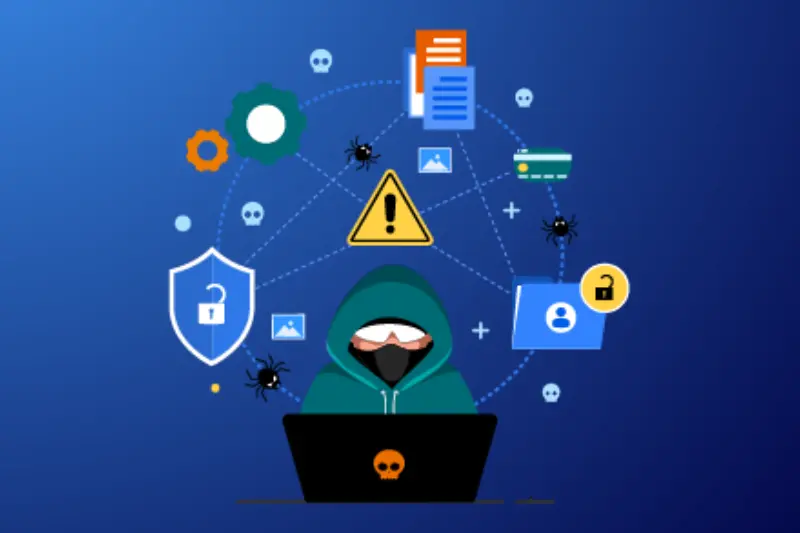
Even with advanced solutions, organizations face ongoing challenges:
- Evolving Threats: Hackers constantly develop new techniques.
- Insider Risks: Employees with access may unintentionally or intentionally cause breaches.
- Balancing Security & User Experience: Stronger security sometimes complicates user access.
- Cost & Resource Limitations: Smaller businesses may struggle to afford top-tier solutions.
You May Like It:
What is Secure Web Gateway (SWG) : Features Benefits and Future
Best Backend Languages to Learn in 2025
Front-End Engineer: Role, Skills, and Career Guide
Future Trends in Web Security
Looking ahead, web security will become more sophisticated and user-focused:
- Hyper-Personalized Security: Adaptive measures that adjust to user behavior.
- Biometric Authentication: Fingerprints, voice recognition, and facial scans will replace traditional passwords.
- Quantum Encryption: Offering next-level data protection against powerful attacks.
- Tighter Privacy Regulations: Governments worldwide will impose stricter data protection rules.
FAQs
What is web security in simple terms?
Web security is the practice of protecting websites and online data from attacks, theft, and unauthorized access.
Why is web security important for businesses?
It prevents data breaches, maintains customer trust, and ensures business continuity.
What are the biggest cyber threats today?
Phishing, ransomware, DDoS attacks, and SQL injections are among the most common.
How can individuals improve their web security?
By using strong passwords, enabling two-factor authentication, and avoiding suspicious links.
What is the difference between web security and cybersecurity?
Web security focuses on websites and online platforms, while cybersecurity covers all digital systems and networks.
How does SSL/HTTPS improve web security?
They encrypt communication between users and websites, preventing data interception.
What role does AI play in modern web security?
AI detects anomalies, blocks suspicious activity, and predicts potential attacks.
What is a DDoS attack and how to prevent it?
A DDoS attack floods a site with traffic to make it crash. Prevention includes firewalls, traffic monitoring, and DDoS protection services.
How often should businesses update their security systems?
Regularly—ideally every month or whenever new patches become available.
What are the future trends in web security?
AI-driven defense, biometric authentication, quantum encryption, and stricter privacy laws.
Conclusion
Web security is not a one-time setup—it is a continuous process of monitoring, updating, and adapting to new challenges. Businesses and individuals that invest in strong web security practices can protect sensitive data, ensure smooth operations, and build lasting trust.In today’s digital-first world, web security is not optional; it is the foundation of safe and sustainable online growth.
You May Like It
Easiest Coding Language to Learn in 2025
Frontend Masters: A Complete Guide for Web Developers
Frontend Mentor: A Complete Guide for Web Developers
Highest Paying Coding Languages in 2025
