
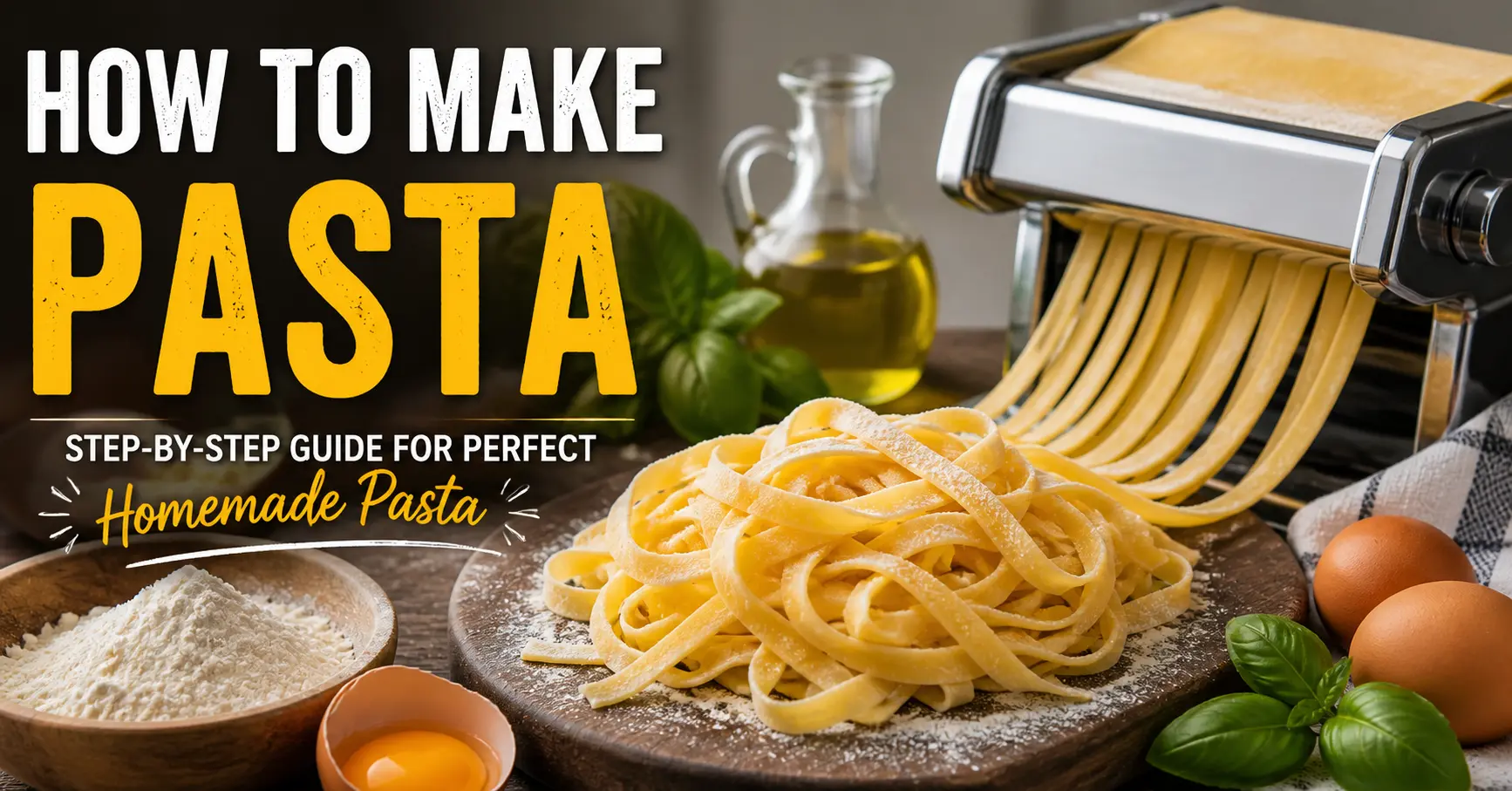
Making pasta at home is much easier than most people think. If you’re wondering how to make pasta, the key is understanding the basics and learning how the dough should feel. Once you get this right, you can make soft, fresh, and delicious pasta anytime in your own kitchen. This guide will walk you through exactly how to make pasta step by step, including simple techniques and helpful tips that most recipes don’t explain properly.
Why Make Homemade Pasta?
Homemade pasta is better than store-bought in many ways. It has a softer texture, richer flavor, and you can customize it exactly how you like. It also uses simple ingredients that you probably already have in your kitchen.
Ingredients You Need

To make pasta from scratch, you only need a few ingredients:
- Flour (all-purpose or “00” flour)
- Eggs (large size)
- Olive oil (optional)
- Salt
The most important thing is balance. The standard ratio is:
- 100 grams of flour per 1 egg
This helps you get the perfect dough consistency.
Making the Pasta Dough

Start by placing flour on a clean surface and forming a mound. Create a well in the center and crack the eggs into it. Use a fork to slowly mix the eggs with the flour, pulling flour from the sides little by little.
As the mixture thickens, switch to using your hands and bring everything together into a rough dough. At this stage, the dough may look dry or uneven, but that is completely normal.
Kneading the Dough
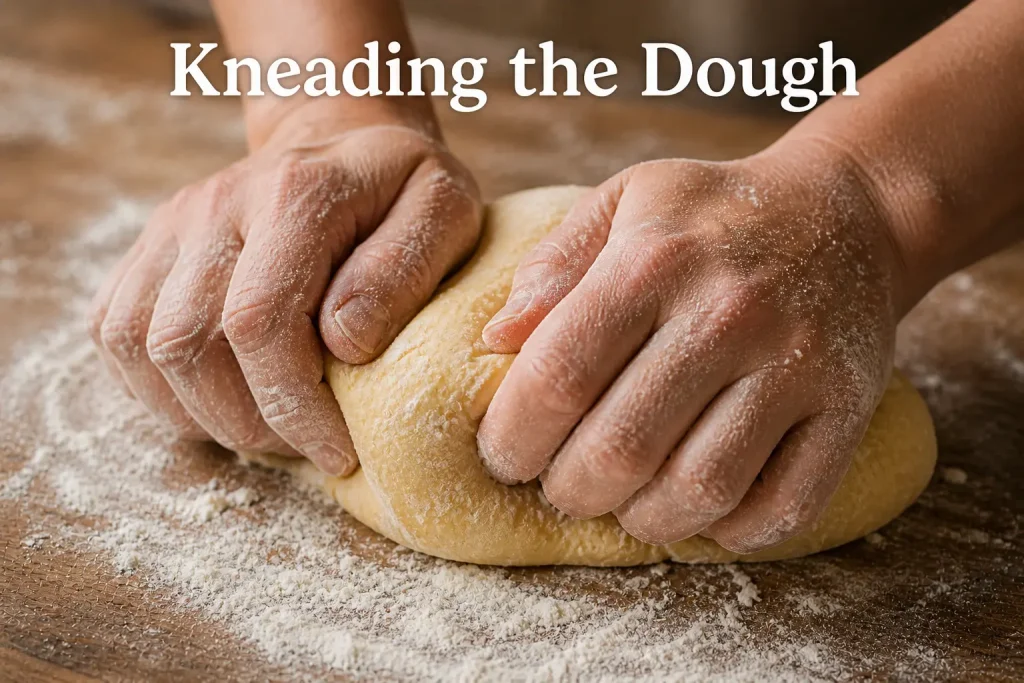
Kneading is one of the most important steps. You should knead the dough for about 8 to 10 minutes. In the beginning, the dough will feel stiff and hard, but as you continue, it will become smoother and more elastic.
A properly kneaded dough should feel soft but slightly firm. When you press it with your finger, it should slowly bounce back. If the dough feels too dry, add a few drops of water. If it feels sticky, sprinkle a little flour.
Let the Dough Rest
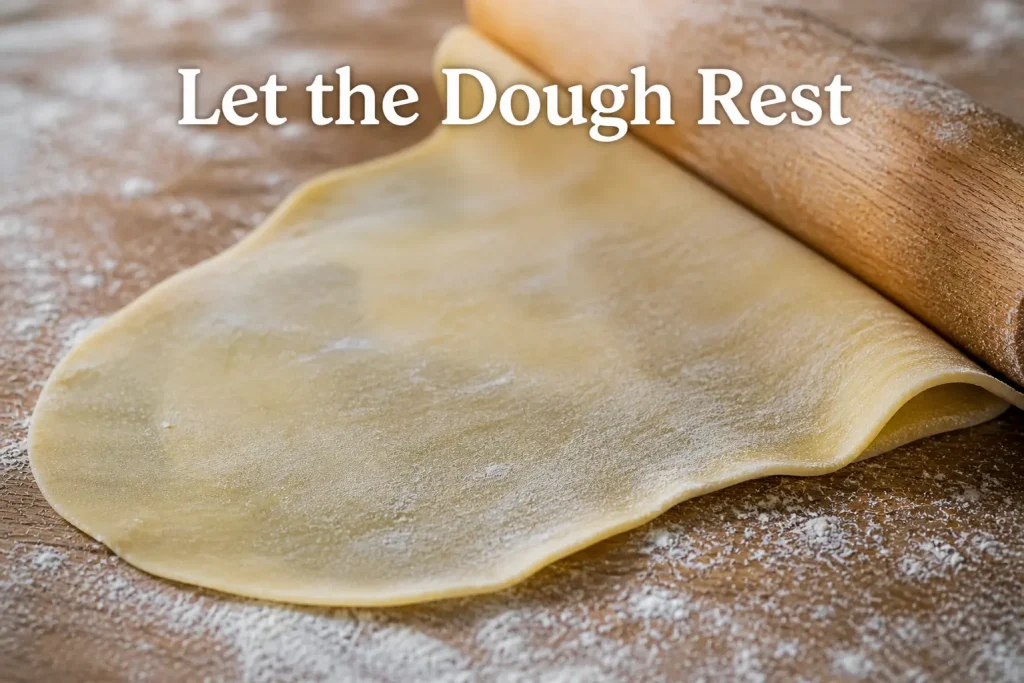
After kneading, wrap the dough and let it rest for at least 30 minutes. This step is very important because it relaxes the gluten and makes the dough easier to roll.
If you skip this step, your dough will be difficult to handle and may tear while rolling.
Rolling the Pasta
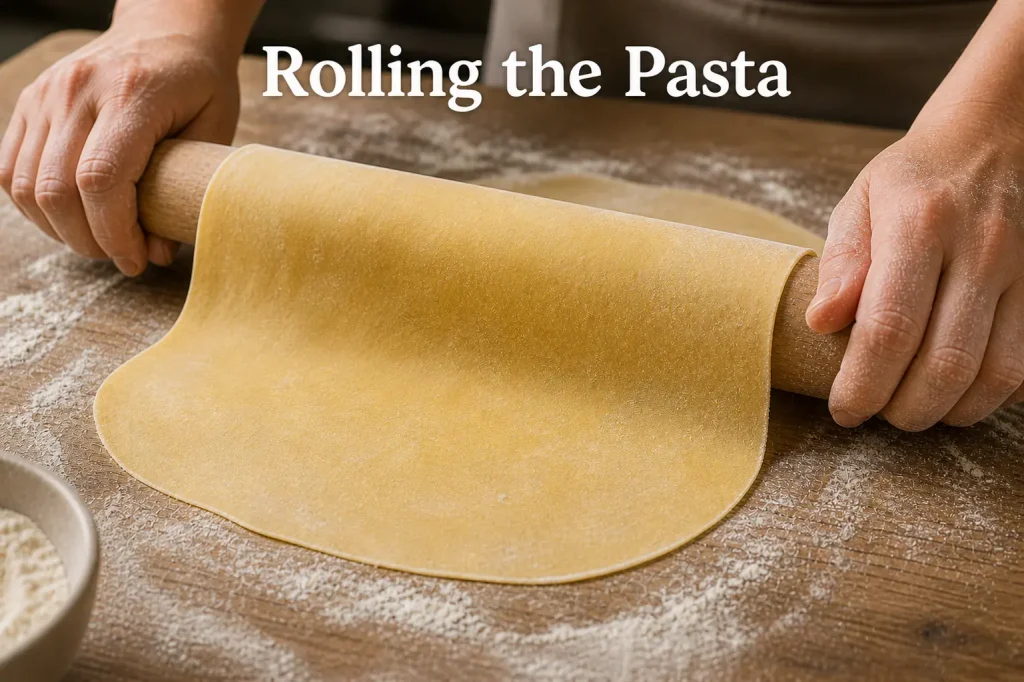
Once the dough has rested, cut it into smaller pieces. Flatten one piece into a disc and start rolling it out using a rolling pin or pasta machine.
Keep rolling until the dough becomes thin. A simple way to check is:
- You should be able to slightly see your hand through the sheet
This means your pasta is ready.
Cutting the Pasta
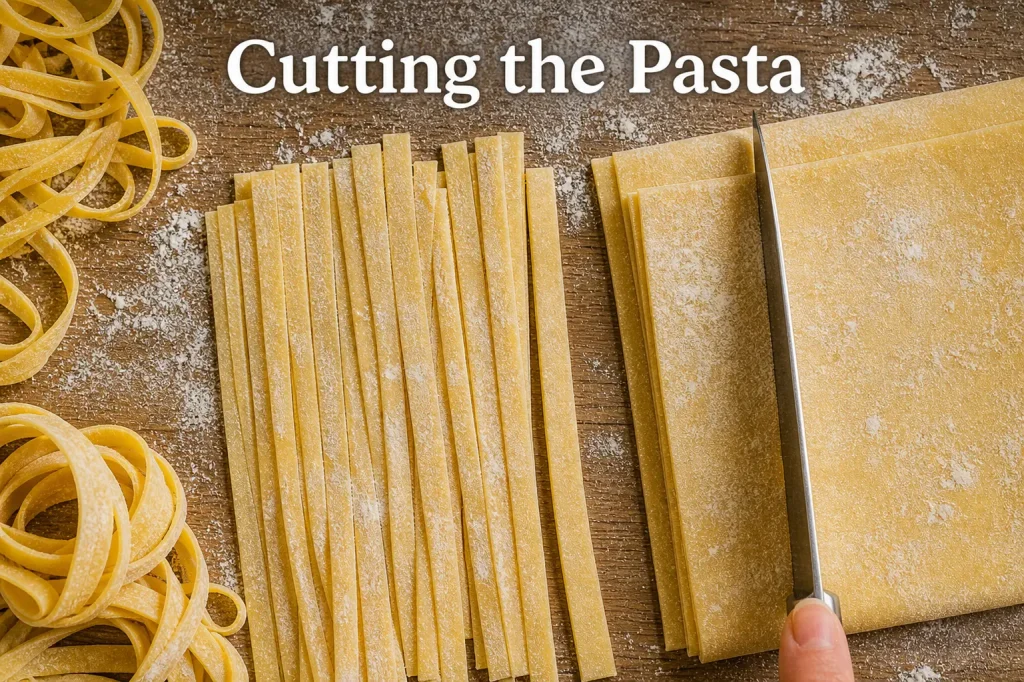
Now you can cut the pasta into different shapes like:
- Fettuccine
- Tagliatelle
- Pappardelle
Dust the pasta lightly with flour or semolina so it doesn’t stick together. If the dough feels too soft, let it dry for a few minutes before cutting.
Cooking Fresh Pasta

Bring a pot of salted water to a boil and add your pasta. Fresh pasta cooks very quickly, usually within 1 to 3 minutes.
Always taste a piece to check if it’s done. Once cooked, transfer it directly into your sauce for the best flavor.
Common Mistakes and How to Fix Them
Many beginners struggle with pasta because of small mistakes. Here’s how to fix them:
- Dough too dry: Add a few drops of water
- Dough too sticky: Add a little flour
- Dough too hard: Let it rest longer
- Pasta sticking together: Dust with flour or semolina
Understanding these small adjustments makes a big difference.
Important Tip (Most Recipes Don’t Tell You)
The secret to perfect pasta is not just measurements—it’s understanding texture.
A good dough should be:
- Smooth
- Slightly elastic
- Not sticky
Once you learn this, you can fix almost any problem easily.
Can You Make Pasta Without a Machine?
Yes, you can easily make pasta without a machine. A simple rolling pin works perfectly fine. It may take a little more effort, but the results are just as good.
Can You Make Pasta Without Eggs?
Yes, you can replace eggs with water to make eggless pasta. This version is lighter and suitable for people who prefer a different texture or diet.
How to Store Homemade Pasta
If you are not cooking immediately, you can store your pasta:
- At room temperature for a few hours
- In the fridge for up to 12 hours
- In the freezer for up to 1 month
When freezing, let the pasta dry slightly first to prevent sticking.
Serving Ideas
Fresh pasta tastes best with simple sauces like:
- Tomato sauce
- Garlic and olive oil
- Pesto
- Butter and parmesan
Simple flavors allow the pasta to shine.
Final Thoughts
Learning how to make pasta is all about practice and patience. Your first attempt may not be perfect, but once you understand the process and texture, it becomes much easier.
With time, making pasta will feel natural, and you’ll be able to create perfect homemade pasta whenever you want.
You May Also Like It:
Basic Coding Concepts – Beginners Guide
Simple Coding Projects for Beginners
Huffman Coding – The Core of Data Compression Explained
